
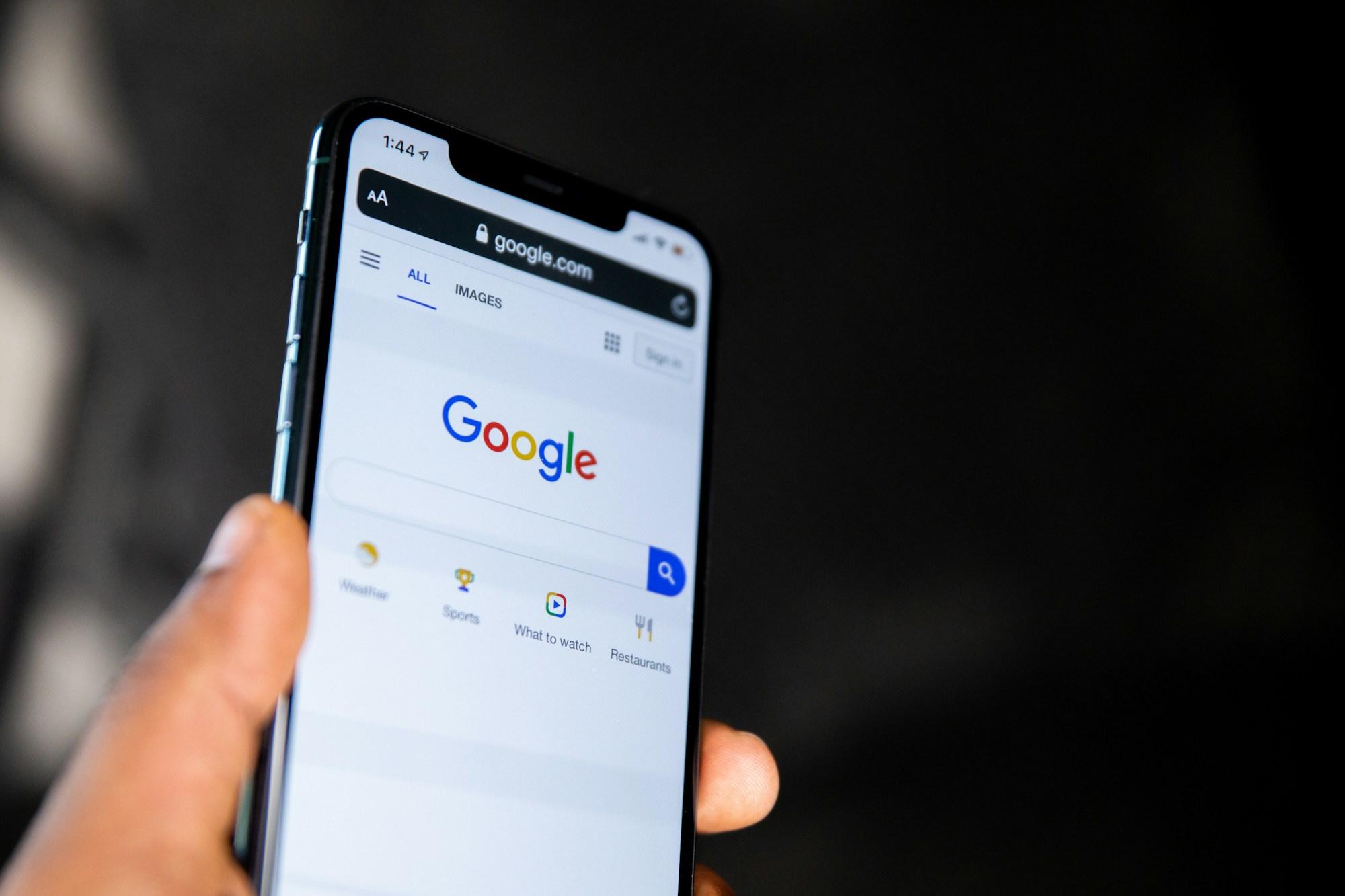
Google Ads vs Facebook ads for a small business: how each works, when to pick which, and a simple way to choose your first budget.
Google Ads vs Facebook ads: the core difference
If you have a limited budget and want customers fast, choosing between Google Ads and Meta Ads can feel like a coin toss. It should not be. The two platforms do different jobs, and one of them is almost always the better place to start.
This guide explains how each works, when to pick which, and how to build a sensible plan around a small budget.
Google Ads shows your ad when someone types a search, such as "emergency plumber" or "buy gold jewellery online." They already want something, so a click is more likely to lead to action.
Meta Ads shows your ad in someone's feed, Stories or Reels while they are doing something else. They were not searching, so your ad has to earn attention. Meta's strength is its targeting, its reach and its visual formats.
Google Ads at a glance
- Audience mindset: searching with intent.
- Best at: capturing demand that already exists.
- Formats: mostly text and shopping listings, plus video on YouTube.
- Creative effort: lower for search ads, higher for video.
- Cost per click: often higher on competitive searches.
- Speed to first leads: fast, if people are searching for what you sell.
Meta Ads at a glance
- Audience mindset: scrolling and discovering.
- Best at: creating demand and building awareness.
- Formats: image, video, carousel, Reels and Stories.
- Creative effort: higher, because the creative drives the result.
- Cost per click: often lower, but not always.
- Speed to first leads: fast, but you need to test creative first.
Costs vary widely by industry, market and season, so do not rely on generic benchmark numbers. Test with your own budget and compare cost per lead or cost per sale, not cost per click.
Google Ads
- Reaches people searching right now
- High intent, so clicks often convert well
- Strong for local and service searches
- Clicks can cost more on competitive searches
- Depends on people already searching
Meta Ads
- Creates demand and builds an audience
- Strong visuals, video and Reels
- Good for chat and lead forms
- Needs strong creative and testing
- People were not looking, so attention is earned
When Google Ads is the better first choice
- People already search for what you sell. Repair services, clinics, tutors, lawyers and specific products all fit.
- You want ready-to-buy leads. Search clicks often convert better because intent is high.
- Your offer is simple to explain in a headline.
- You serve a local area. Location targeting helps you appear near the people who can use you.
When Meta Ads is the better first choice
- Your product is visual. Fashion, food, jewellery, interiors, beauty and events show well in a feed.
- Few people search for it by name. A new product or brand needs discovery first.
- You sell through chat. Click-to-message ads send people straight into a conversation.
- You want to build an audience and retarget visitors who did not buy.
How buying habits change the picture
How your customers actually buy matters more than any benchmark.
- If chat is your checkout, Meta's click-to-message ads suit you. On Google, add a clear chat or call button to your landing page.
- If you take cash or pay-on-delivery orders, measure confirmed and delivered orders, not just form fills or checkouts.
- If most visitors are on phones, your landing page must load fast and work on small screens, whichever platform you use.
- If you serve more than one language, test your ad copy in each. The best language depends on the audience.
How to choose: a 4-question test
- Do people search for it?Use [Google's Keyword Planner](https://ads.google.com/home/tools/keyword-planner/) or a quick search to check demand. If yes, start with Google.
- Is it visual or impulse-driven?If yes, start with Meta.
- How do you take orders?If by chat or direct message, Meta click-to-message ads are a good fit.
- What is your budget?With a small budget, run one platform well rather than two badly.
A sensible plan for a small budget
- Pick one primary platform using the test above.
- Set up tracking first. Count conversions, calls and chat clicks.
- Run a short test with a few ad angles. Cut what does not work.
- Add the second platform once the first produces reliable results. Use Meta to retarget website visitors, or Google to capture people who search after seeing you on social.
Common mistakes
- Sending ads to a homepage with no clear next step.
- Not tracking conversions, so the budget goes to clicks instead of customers.
- Judging results after two or three days. Platforms need time to learn.
- Changing too many things at once, so you cannot tell what worked.
- Choosing a platform because a competitor uses it.
Want a second opinion on where to start?
Our performance marketing team can review your offer and your market and tell you which platform should go first. Explore performance marketing.
Frequently asked questions
Is Google Ads or Meta Ads cheaper?
It depends on your industry, market and competition. Meta clicks are often cheaper, but Google leads can convert better. Compare cost per lead or sale, not cost per click.
Can I run both at the same time?
Yes, and many businesses do. Start with one so you can learn, then add the other with a clear role.
How much should I spend to start?
Enough to collect useful data. Our guide to Meta ads budgets shows how to work the number out from your own figures.
Do I need a website for these ads?
Google Ads normally needs a landing page. Meta can work with messages and lead forms, but a good landing page usually improves results.
Which is better for lead generation?
Both work. Google captures people searching now. Meta is strong for lead forms and messaging. Test with your own offer.
Need help with performance marketing?
Meta, Google and TikTok ad campaigns built around leads and sales, with clear reporting. Performance marketing for Karachi, Pakistan and Doha, Qatar.
Novtex Global is a branding, web development and performance marketing agency with offices in Karachi and Doha. Read more about us.