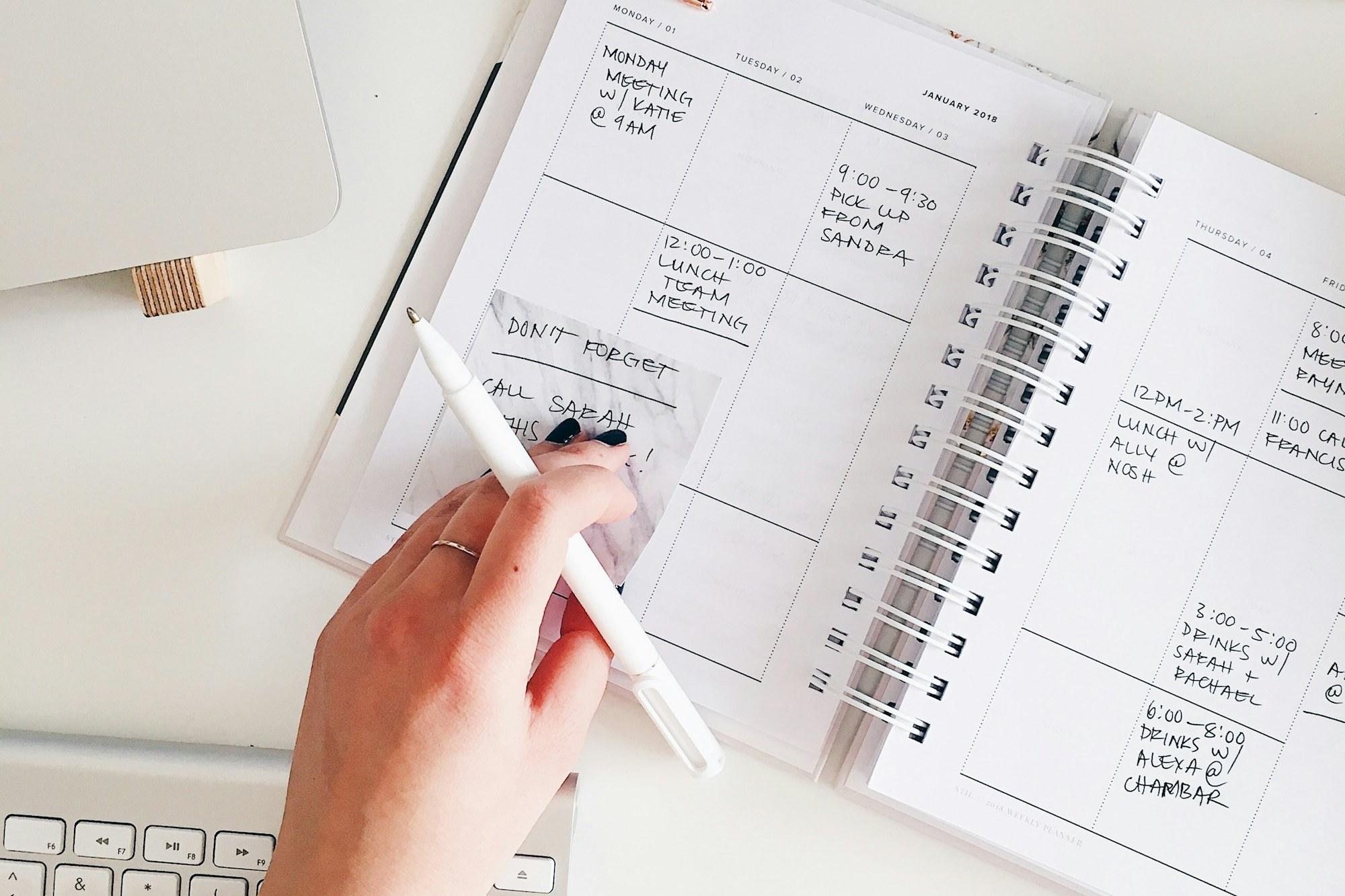
A step-by-step guide to writing a clear creative brief, with a ready-to-use template, an example and the mistakes that waste agency time and budget.
What is a creative brief?
A creative brief is the starting document for a design, content or campaign project. It explains the business problem and the audience, and gives the creative team the direction and limits they need. It is not a long report. It is a shared reference that keeps everyone aligned.
A good brief does three things:
- Aligns you and the agency on the goal.
- Guides the creative work so it solves the right problem.
- Judges the result: it gives you a fair way to say whether the work is on target.
What to put in it: the 10 parts
1. Project name and overview
A clear name and two or three sentences on what the project is.
2. Background
Who you are, what you sell and the situation that led to this project. Include what you have tried before and what happened.
3. The problem or objective
What must this project achieve? Be specific and measurable where you can, for example "increase enquiries" or "launch a new product line," not "be more creative."
4. The target audience
Who are you speaking to? Go beyond age and location. What do they care about, what worries them and where do they spend time?
5. The single-minded message
If people remember one thing, what is it? One main message keeps the work focused.
6. Tone and personality
How should it feel? Give a few words and, if you can, examples of the style you like.
7. Deliverables and channels
What do you need and where will it run? For example: a logo set, a 30-second video, six social posts, a landing page.
8. Mandatories and limits
Must-have elements such as logos, legal lines, languages, colours, and anything to avoid.
9. Budget and timeline
Be honest about both. A realistic budget helps the team propose the right approach. Include key dates, such as review points and the launch date.
10. Success measures
How will you judge the result? Sales, leads, awareness, engagement, or brand recall. Say who will approve the work.
- Objective
- Target audience
- One key message
- Tone and personality
- Deliverables and channels
- Mandatories and things to avoid
- References
- Budget
- Timeline
- Decision-maker and approvals
A ready-to-use template
Copy this and fill it in.
- Project name
- Company and background
- Objective (what success looks like)
- Target audience
- Key message (one sentence)
- Tone and personality (3 to 5 words)
- Deliverables and channels
- Mandatories and things to avoid
- References (what you like, what you dislike)
- Budget
- Timeline and key dates
- How we will measure success
- Decision-maker and approval process
A short example
Project: Launch campaign for a new home bakery line (fictional example) Objective: Get 100 first orders in the first month. Audience: Busy families who want fresh bakery items for celebrations and are comfortable ordering by WhatsApp. Key message: Fresh, made-to-order cakes delivered the same day. Tone: Warm, friendly, appetising. Deliverables: 3 short videos, 6 social posts, 1 landing page. Mandatories: Logo, delivery areas, price starting point, WhatsApp number. Avoid: Stock photos, discount-heavy language. Budget and timeline: To be filled by the client. Launch date in six weeks. Success: Number of confirmed orders from WhatsApp and the landing page.
Common mistakes
- Too vague. "We want something modern" does not help. Say what modern means for your audience.
- Too many messages. If everything is important, nothing is.
- No budget or deadline. The team cannot plan without them.
- Hiding information. Share past results and failures. They save time.
- Briefing by feedback only. Describing what you do not like after the fact is slower than a clear brief upfront.
- Changing the brief mid-project. If the goal changes, update the brief and agree the impact on time and cost.
Tips for a brief that gets better work
- Write it for someone who knows nothing about your business.
- Use plain language. No jargon and no long paragraphs.
- Show, do not just tell. Add examples of work you like and why.
- Discuss it, do not just send it. A short call to walk through the brief catches misunderstandings early.
- Agree one point of contact and one approval process.
Frequently asked questions
How long should a creative brief be?
One to two pages is usually enough. Clear is better than long.
Who writes the brief?
Usually the client, often with help from the agency. If you are unsure, ask the agency to run a briefing session and write it with you.
Do I need a brief for a small project?
A short version still helps. Even five clear lines can prevent a lot of rework.
What if I do not know my audience well?
Say so. Strategy or research work can come first.
Can Novtex help me write a brief?
Yes. Our creative strategy service includes working with you to define the problem, audience and message.
Need help with creative strategy?
Positioning, messaging and campaign concepts that connect research to creative that works. Creative strategy by Novtex Global in Karachi and Doha.

Novtex Global is a branding, web development and performance marketing agency with offices in Karachi and Doha. Read more about us.